- Home
- Products
- Knowledge Base
- Sales
- Customer Support
- Contact Us
- Order Desk: 866-216-8700
Welcome to ASD! Call us at 866-216-8700 to place your order today.
 |
How to Establish an Effective Alcohol Testing Policy in the Workplace |
|
by ASD • DATE_FORMAT_LONG.
 |
|
For safety officers, fleet managers, and HR professionals, maintaining a drug- and alcohol-free workplace is a key component of operational risk management. An effective alcohol testing policy helps protect employees, reduces liability, and maintains productivity. Implementing such a policy requires a careful balance of legal compliance, clear communication, and reliable testing equipment. 1. Define the Scope and ObjectivesA successful policy begins with clarity. Define exactly when and why testing will occur. Common scenarios include:
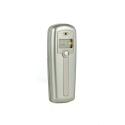
2. Ensure Legal and DOT ComplianceBefore rolling out your policy, consult with legal counsel to ensure compliance with local, state, and federal labor laws. If your business operates commercial motor vehicles, your policy must strictly adhere to the Department of Transportation (DOT) regulations, which specify the exact protocols and certified devices required for testing. 3. Communicate Clearly and Train ManagersA testing policy should never catch employees by surprise. Distribute the policy in writing, require signed acknowledgments, and hold informational sessions. Equally important is training supervisors to recognize the signs of alcohol impairment objectively, ensuring testing is initiated fairly and consistently. 4. Equip Your Team with Reliable Testing ToolsTo back up your policy, you need reliable, accurate, and easy-to-use testing tools. Depending on your organization's budget and testing frequency, two main options exist:
Ready to equip your business with dependable safety tools? Browse our collection of commercial-grade AlcoMate Breathalyzers and SafeWay Disposable Testers. |
 |
|
|